Filming in Andalucía
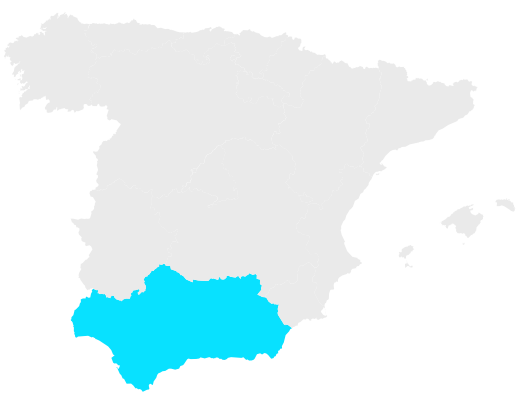
Andalucía
Andalusia
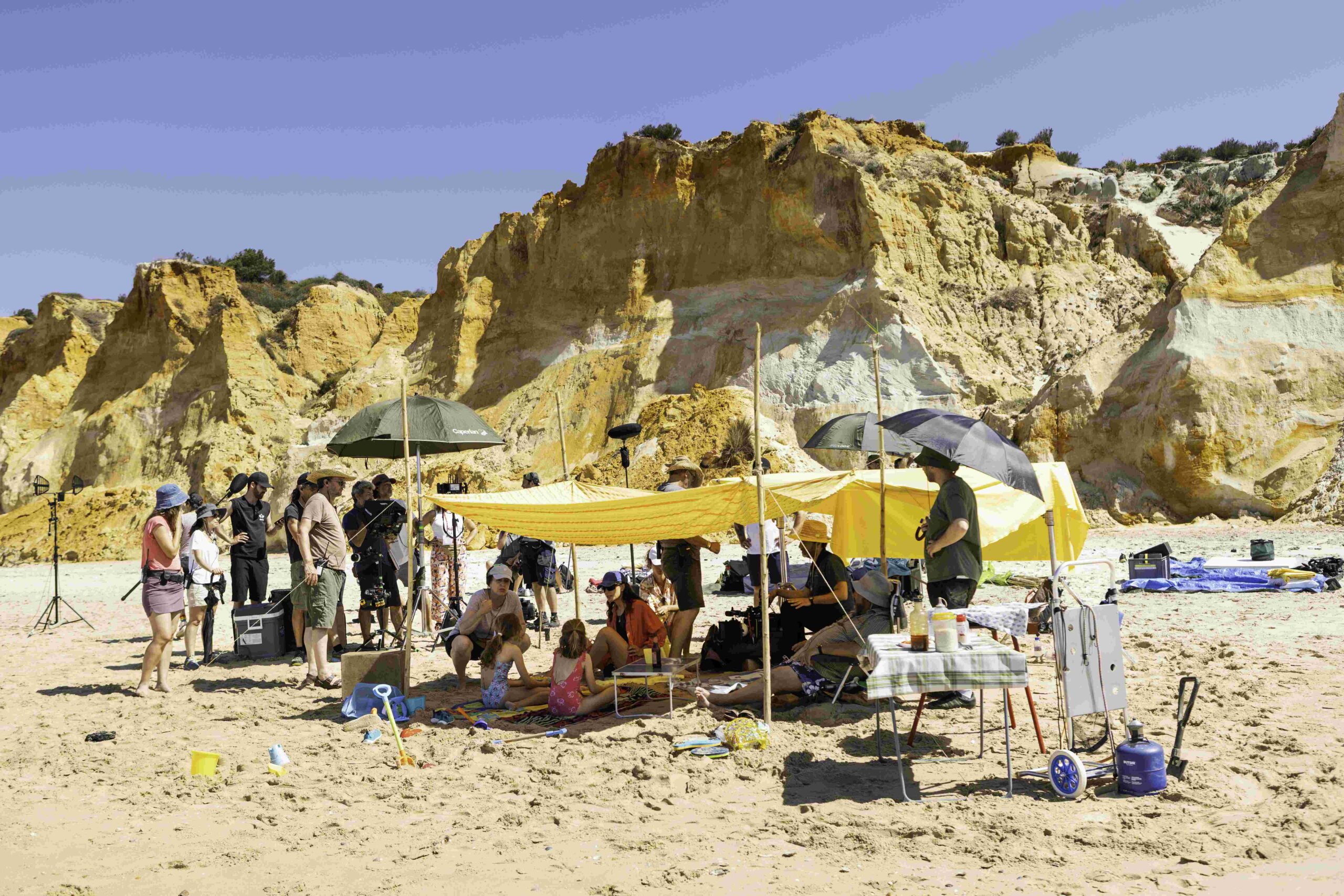
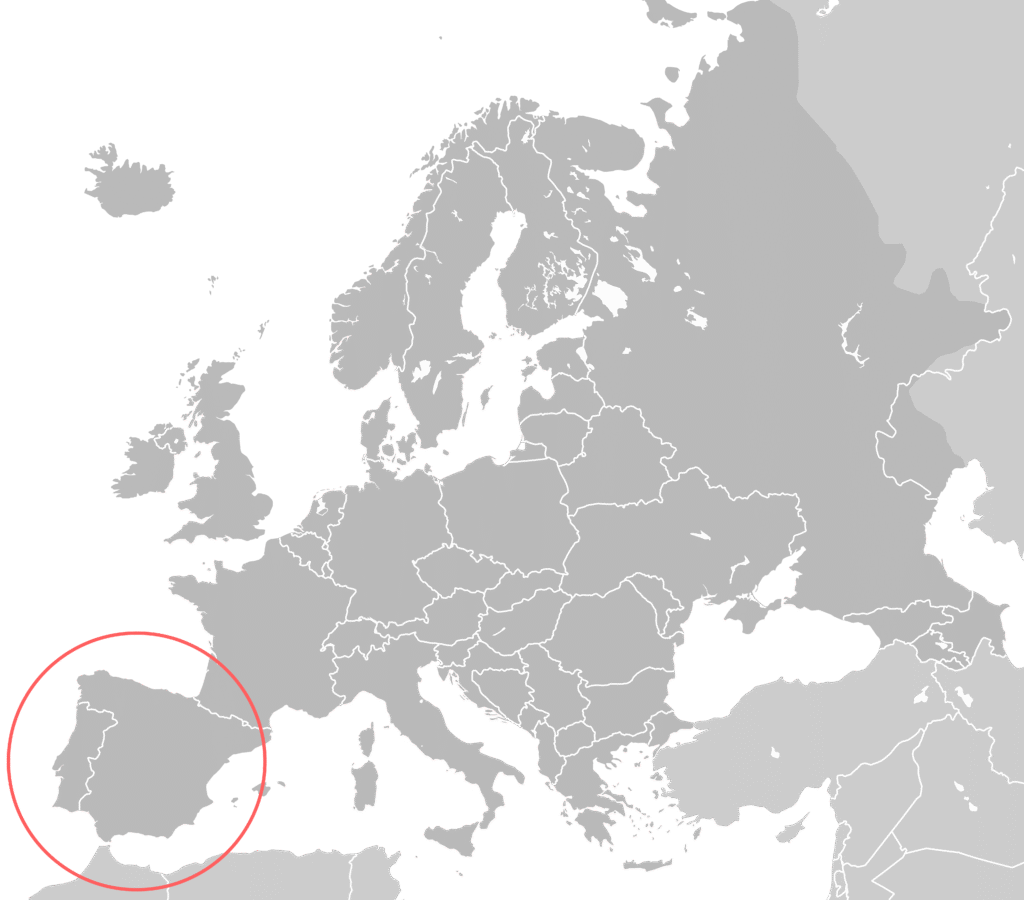
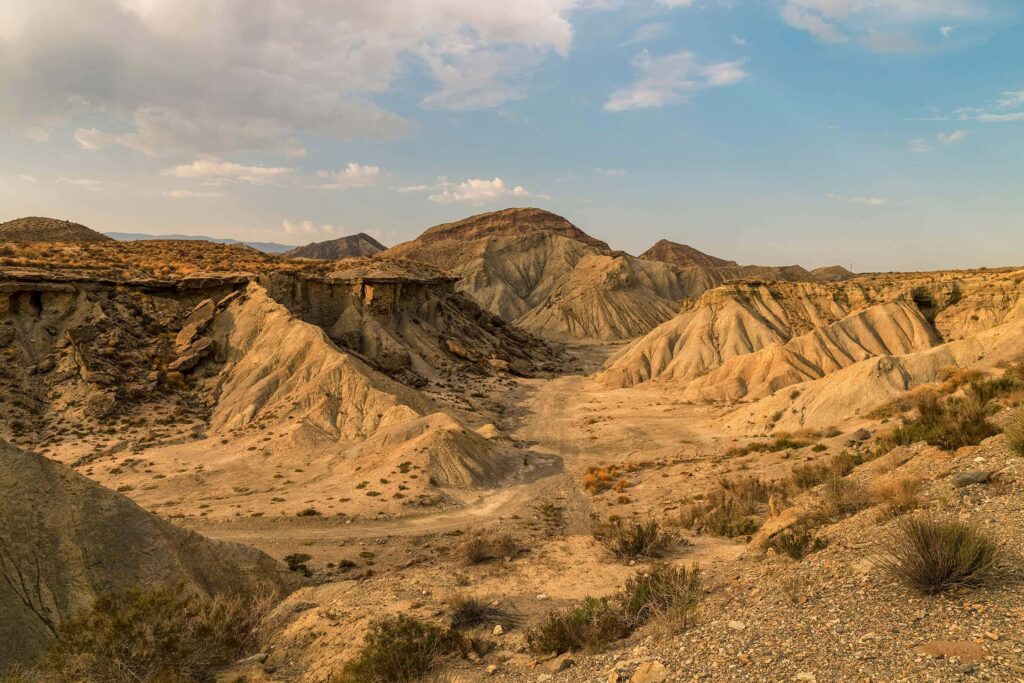
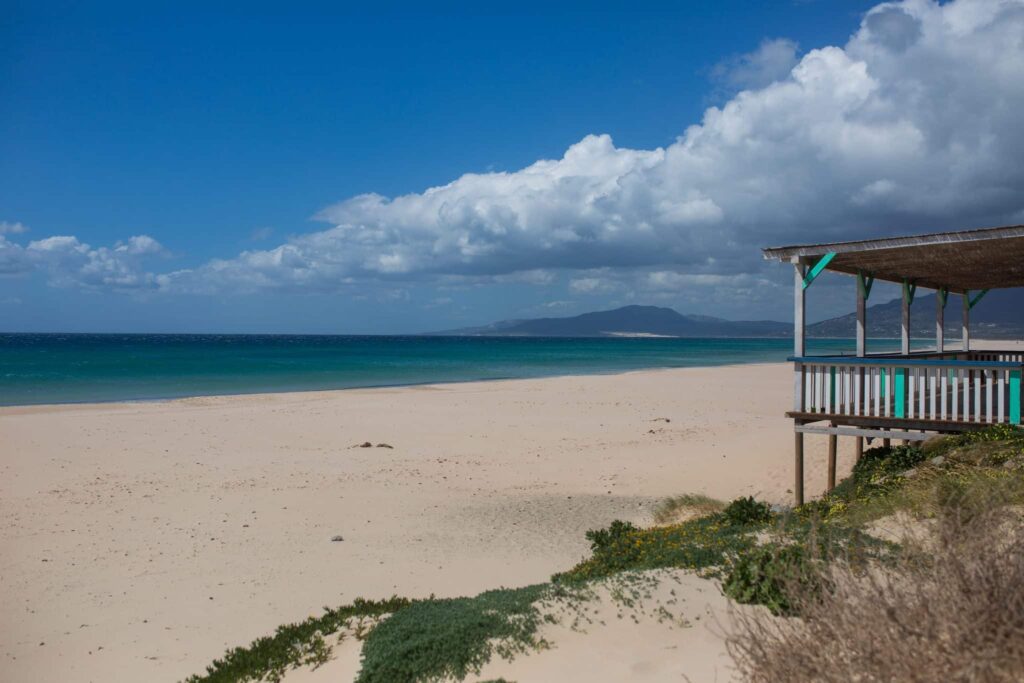
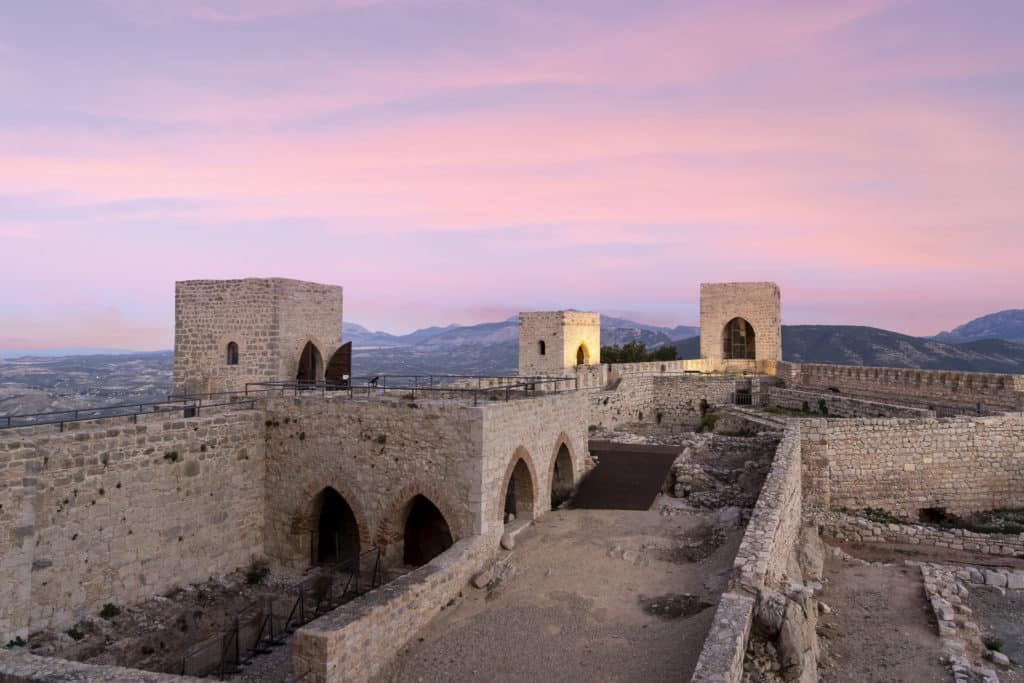
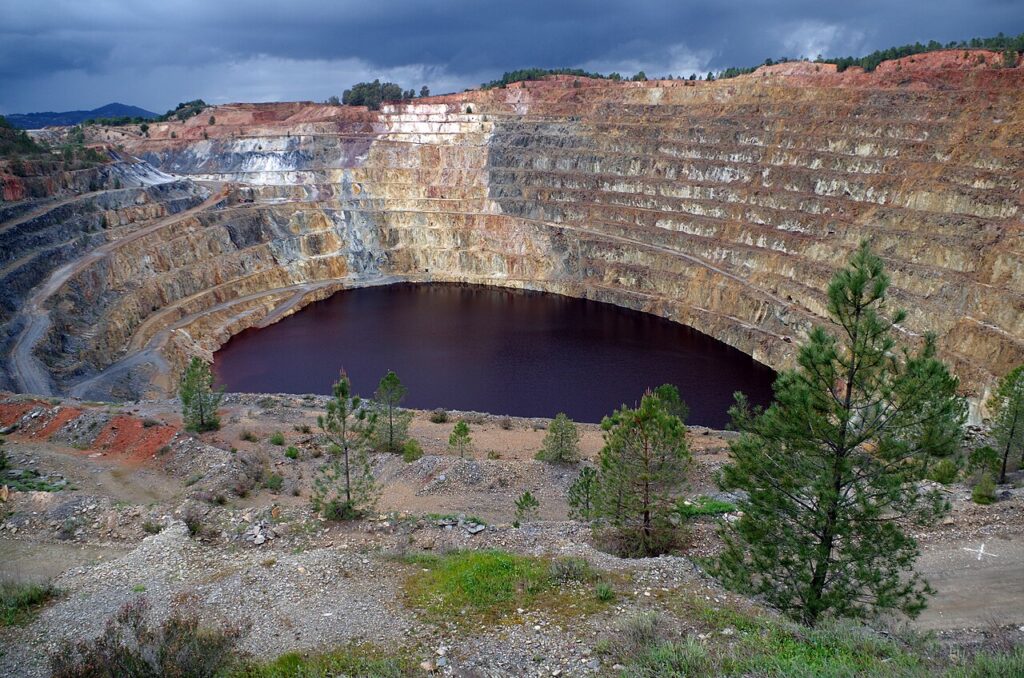
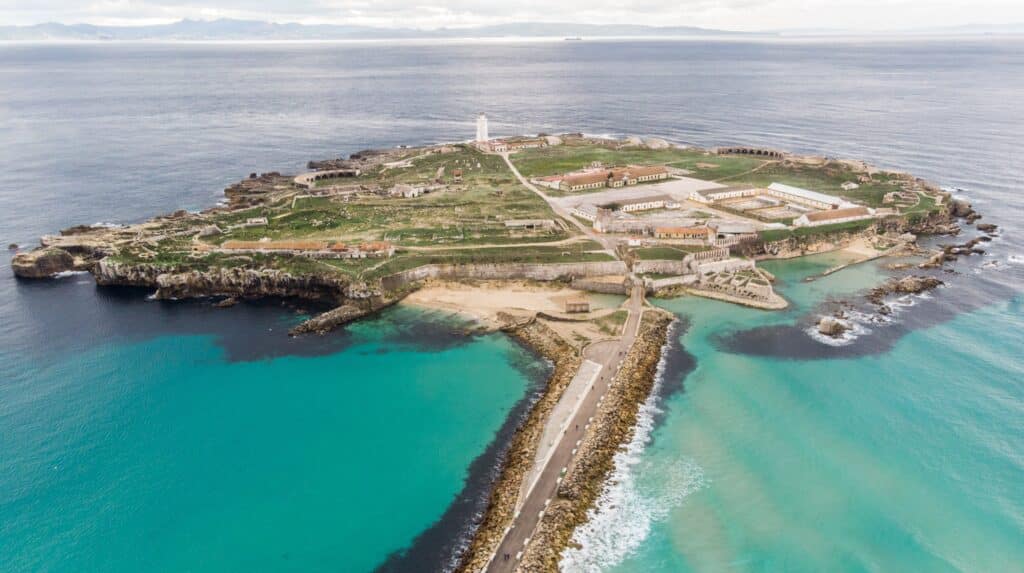
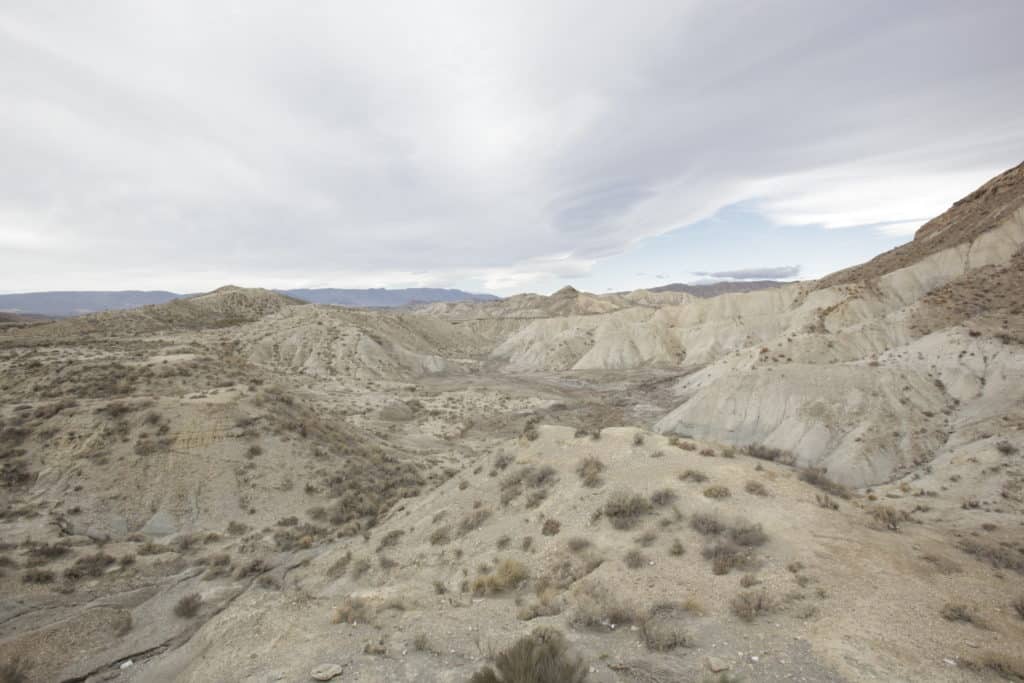
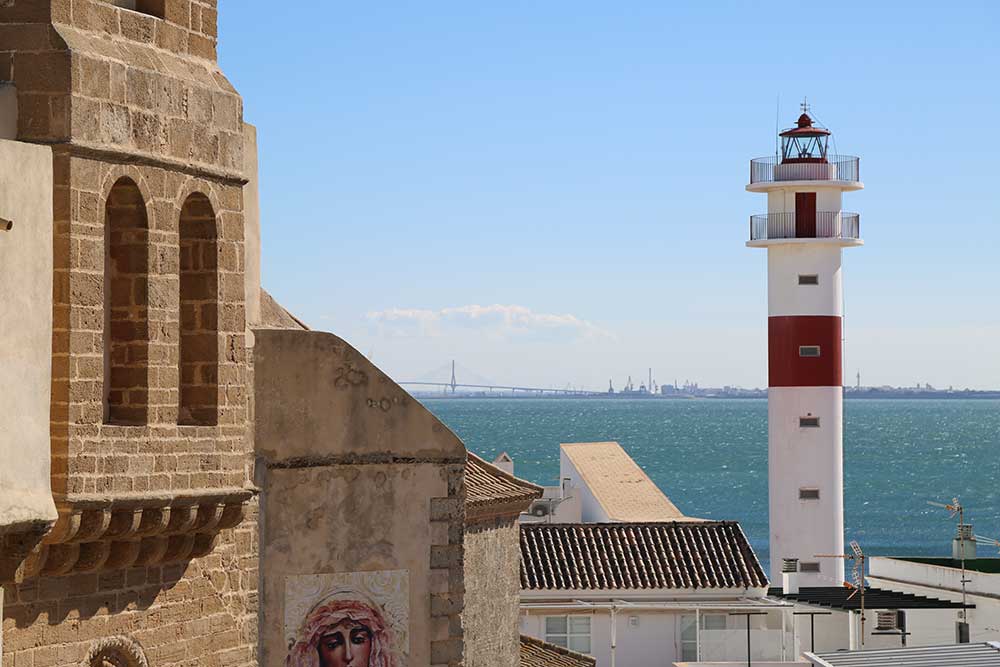
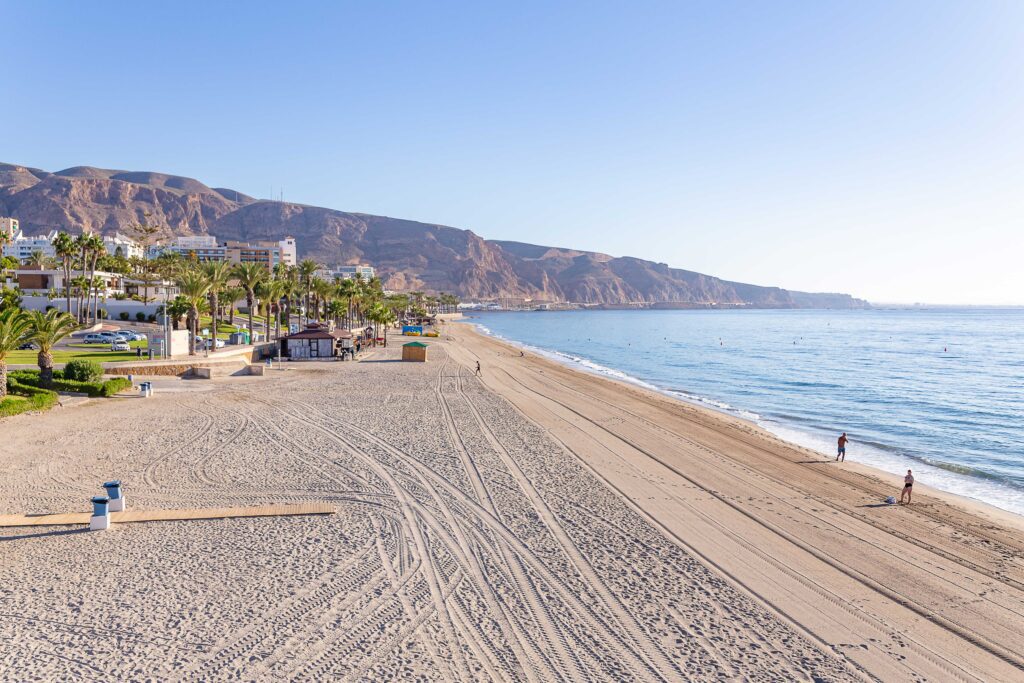
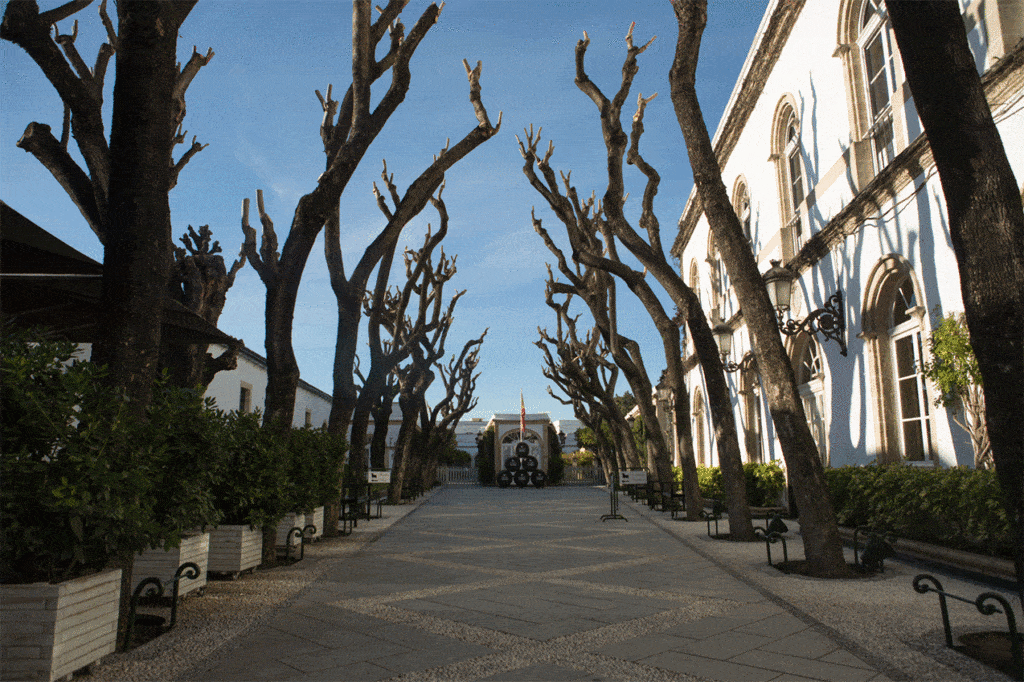
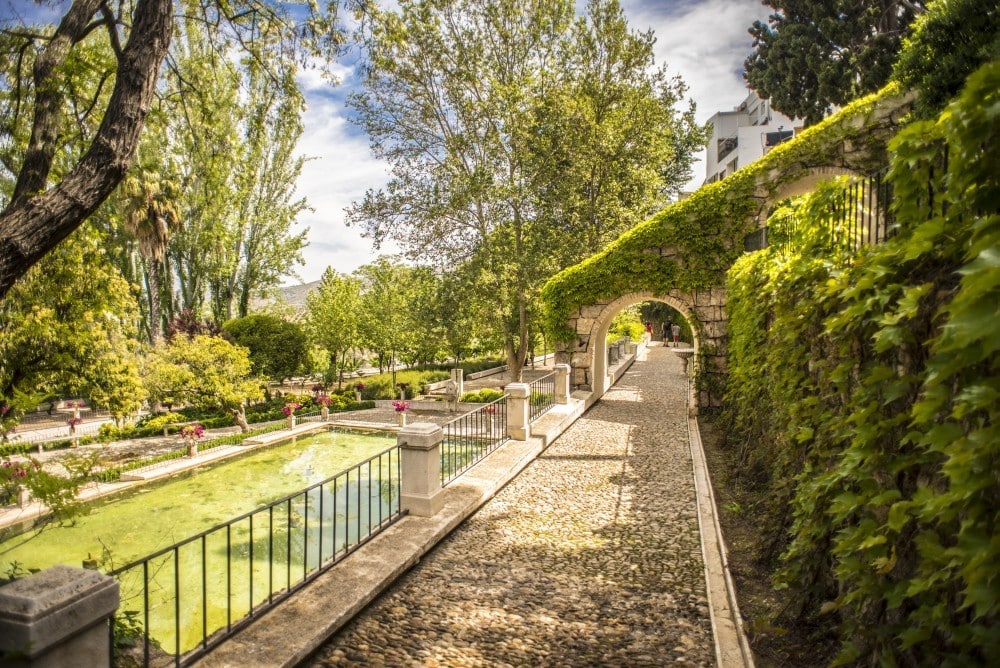
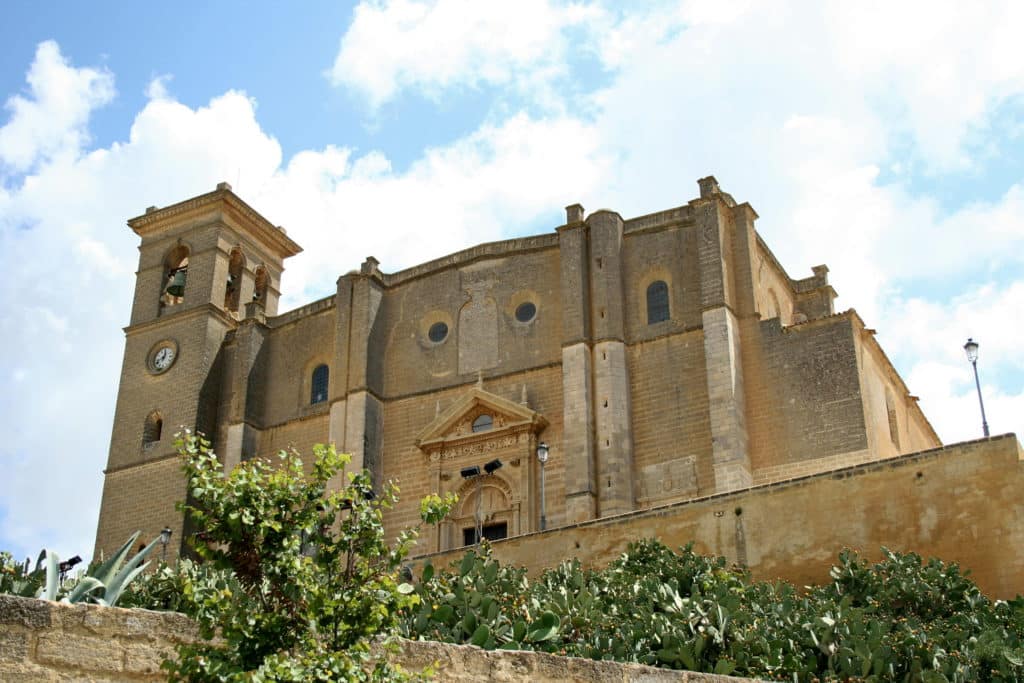
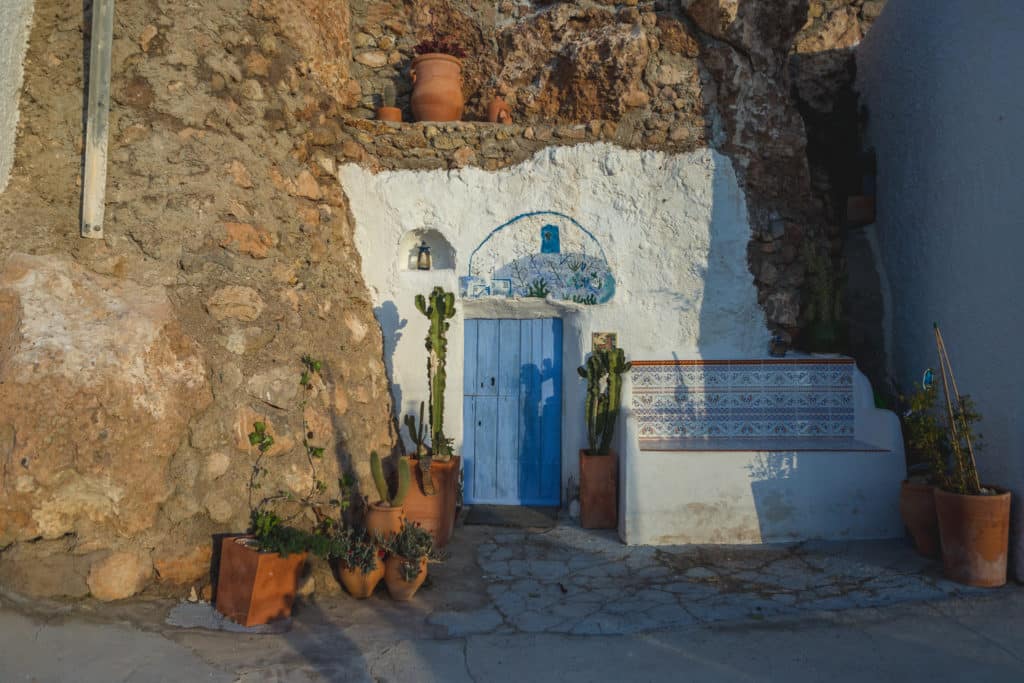
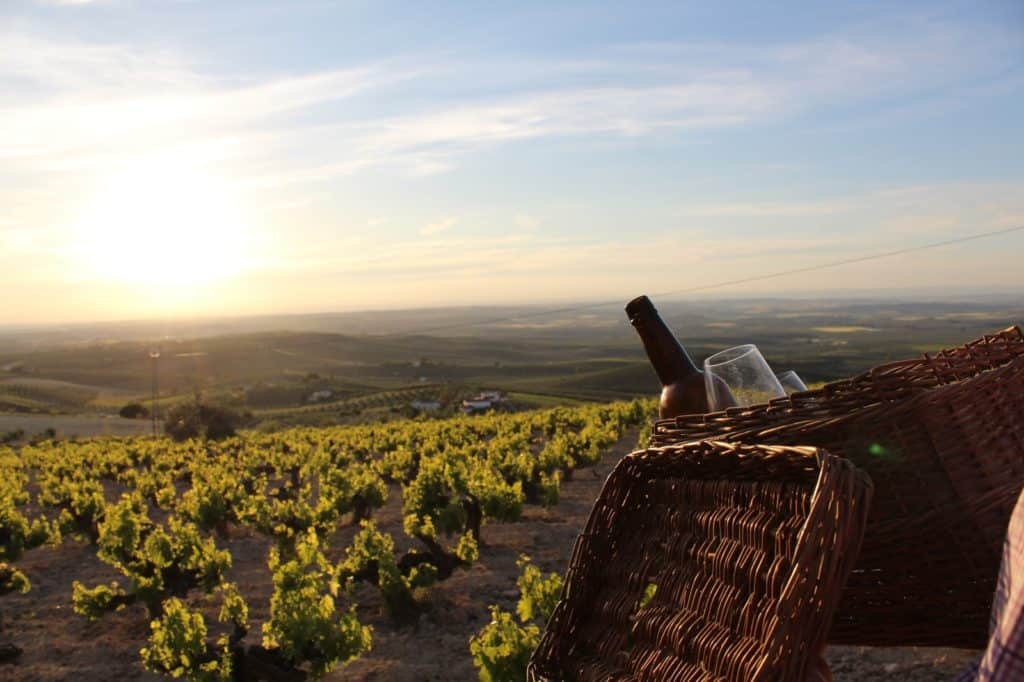
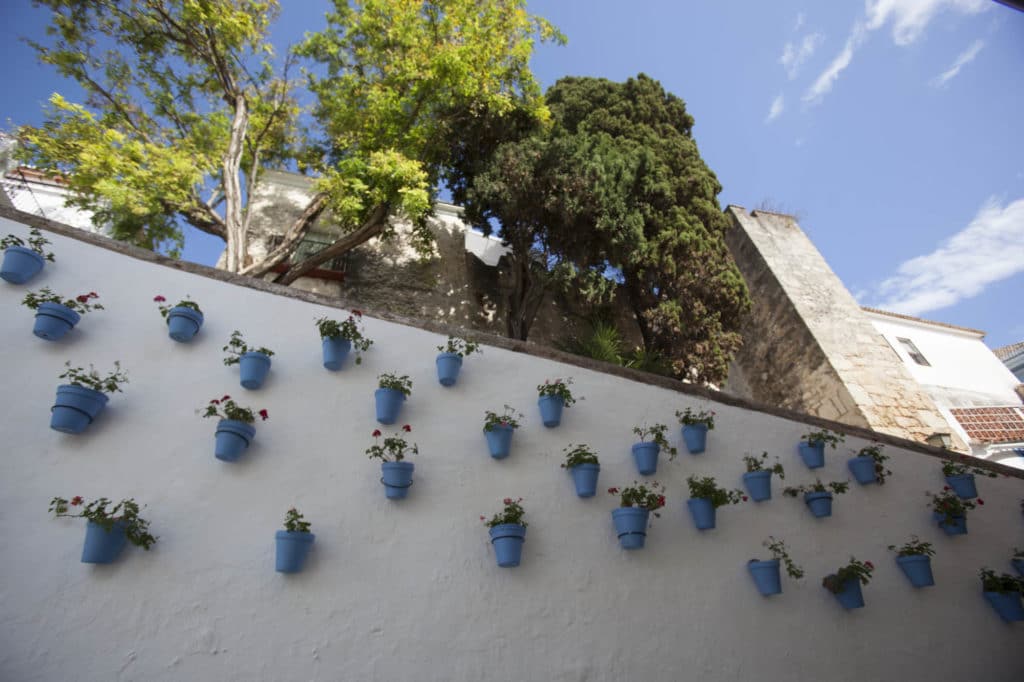
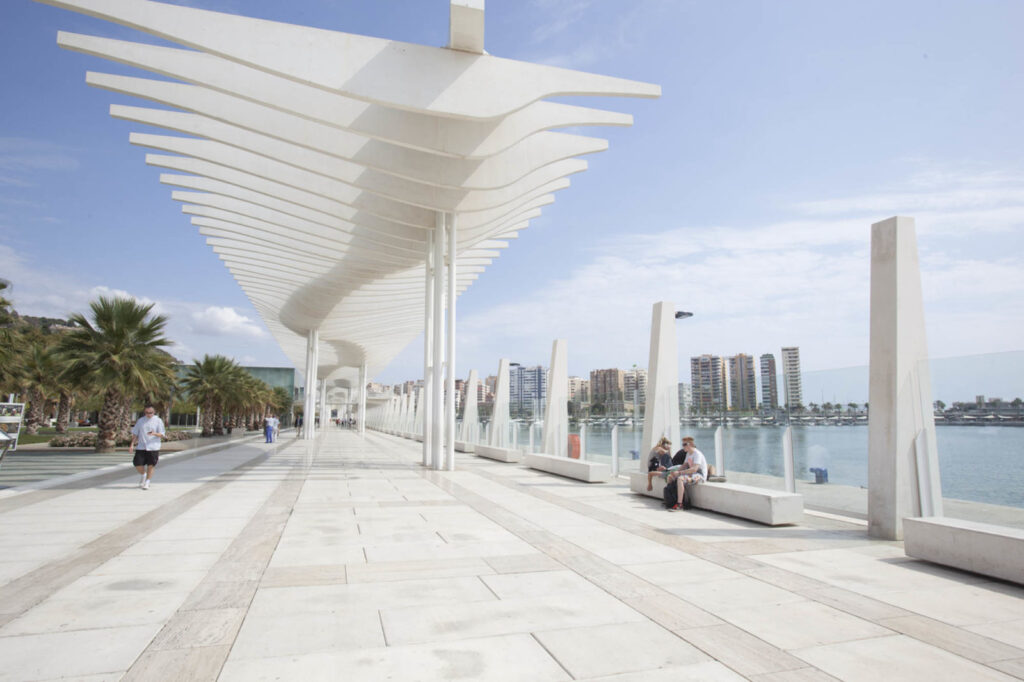
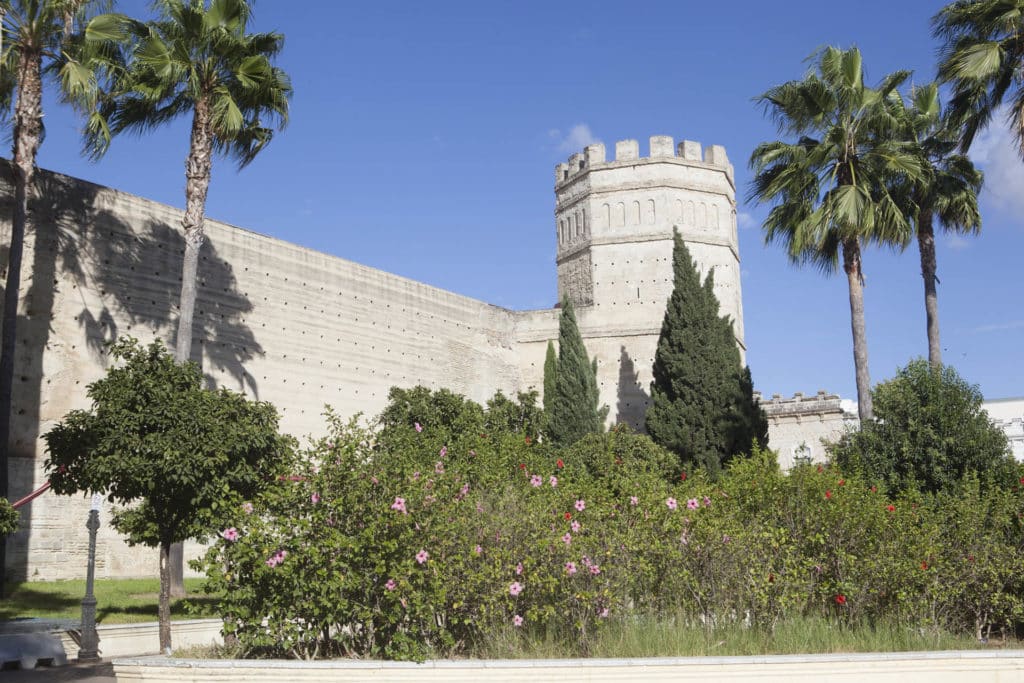
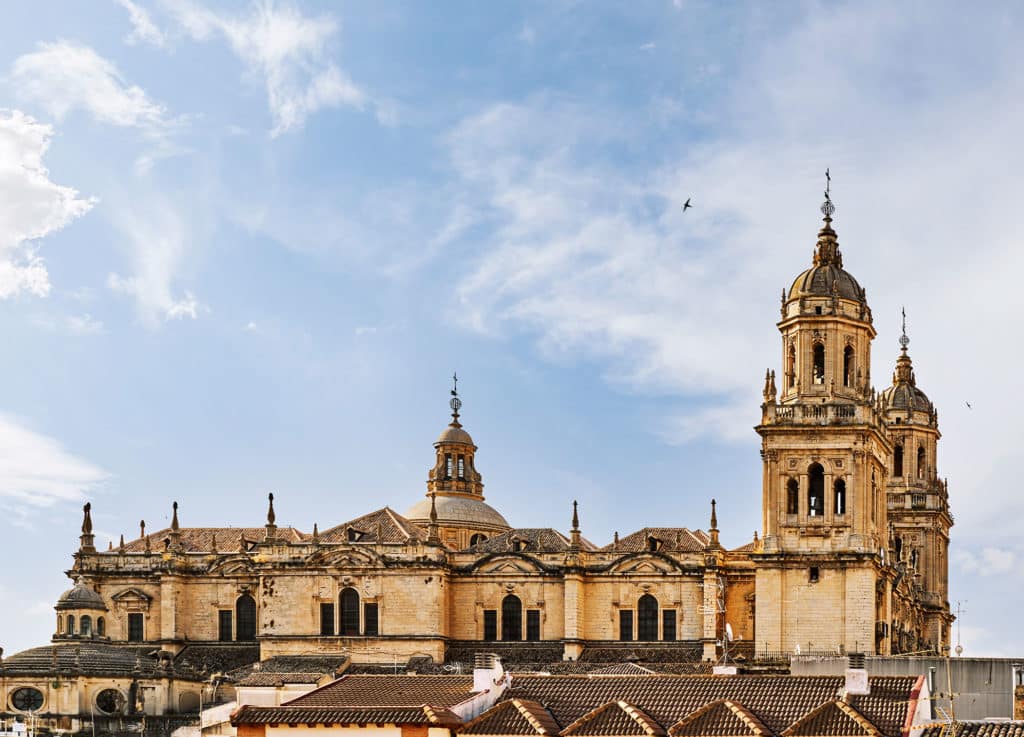
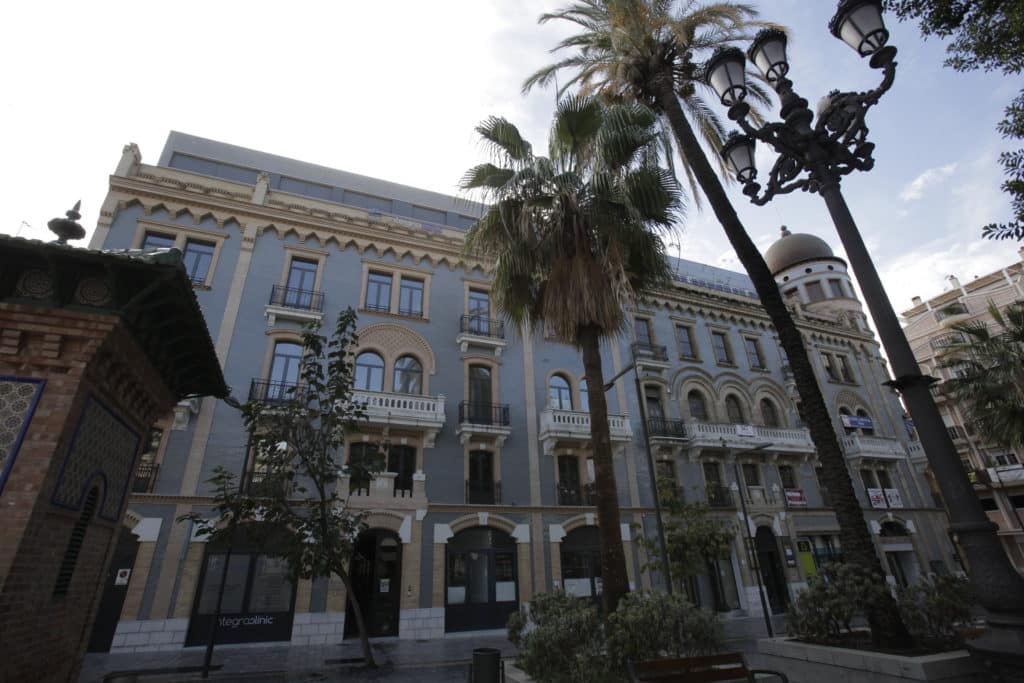
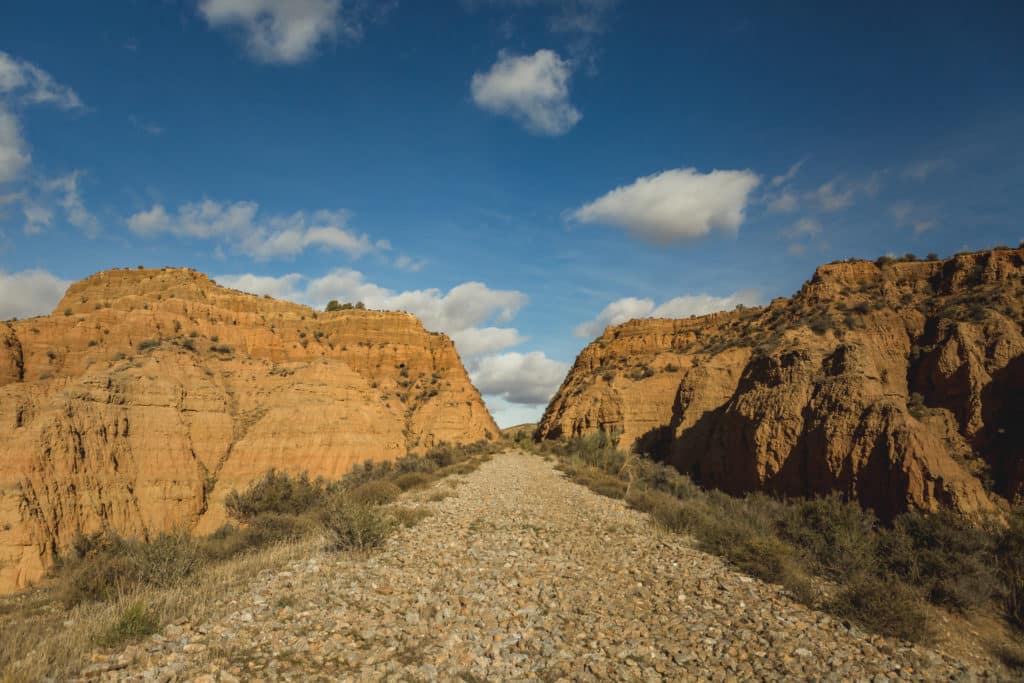
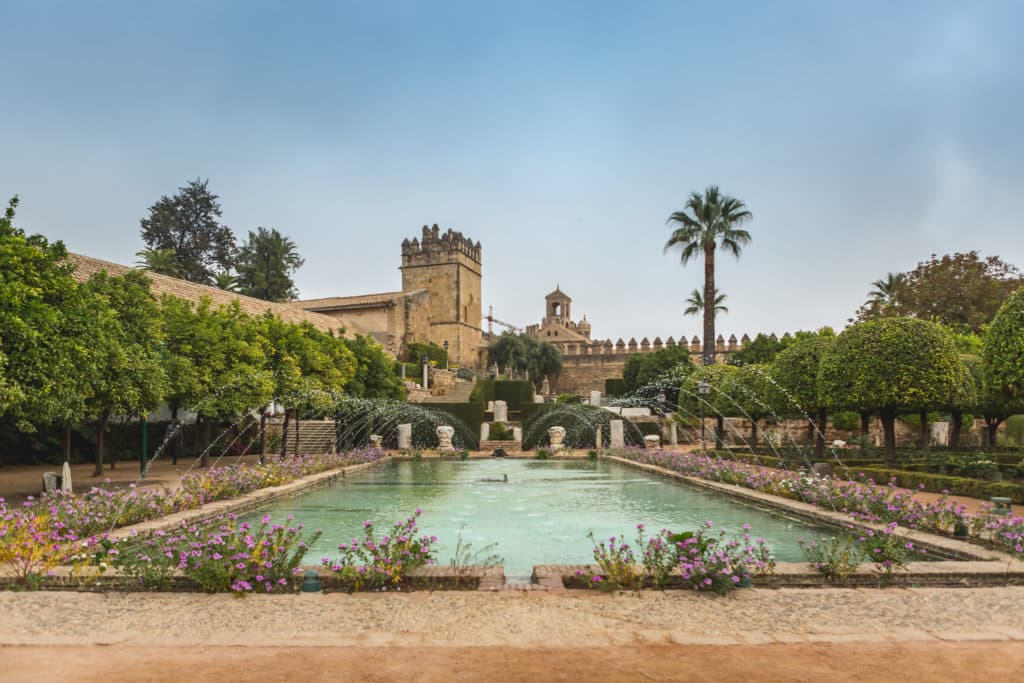
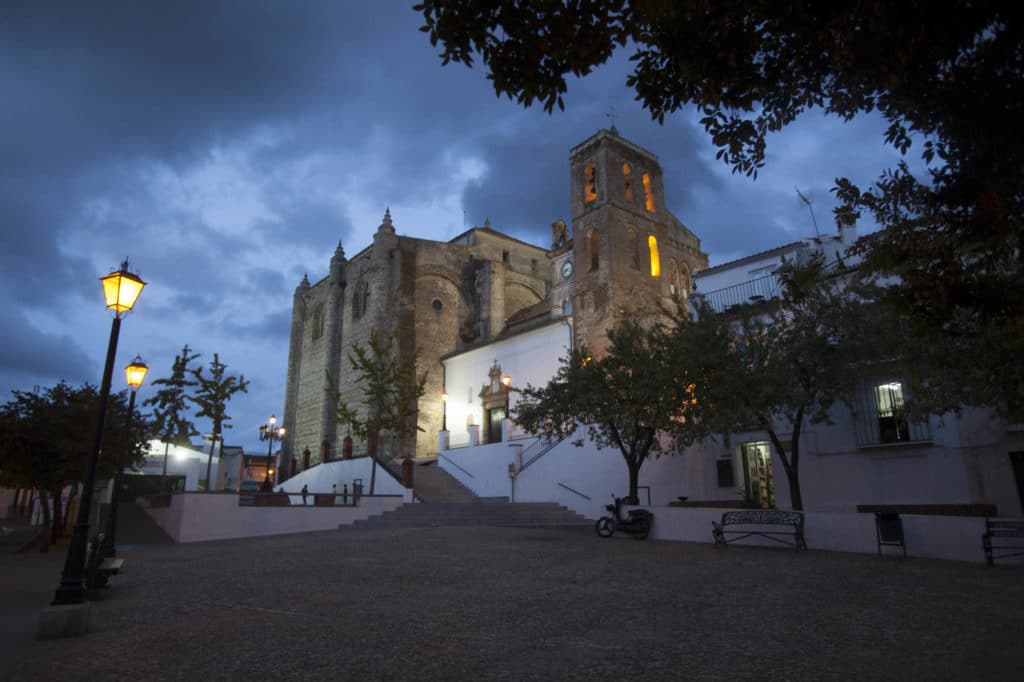
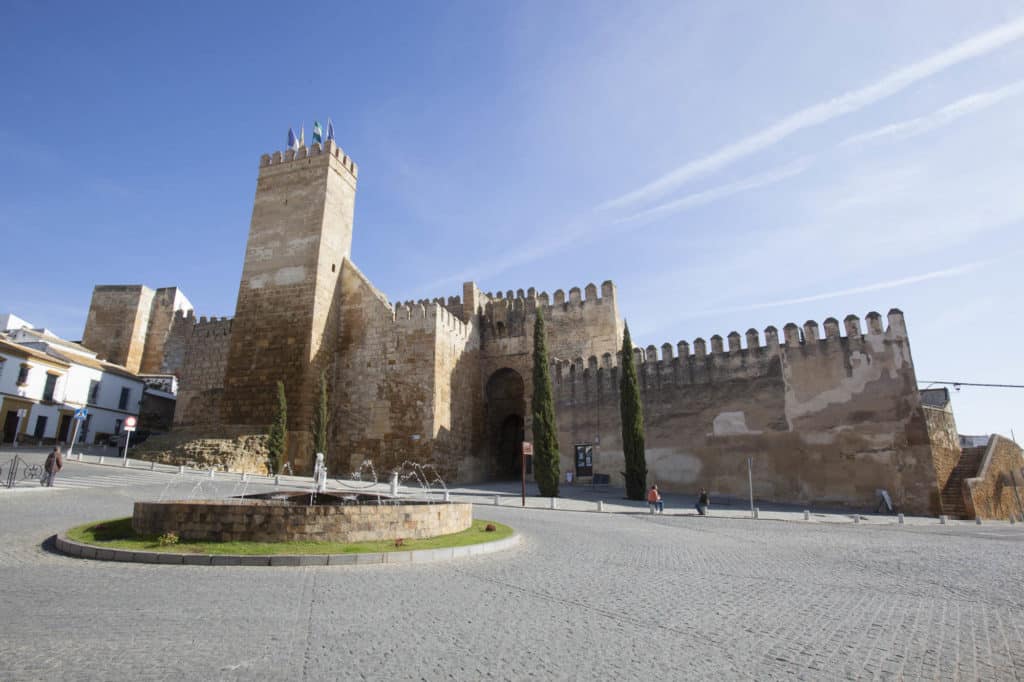
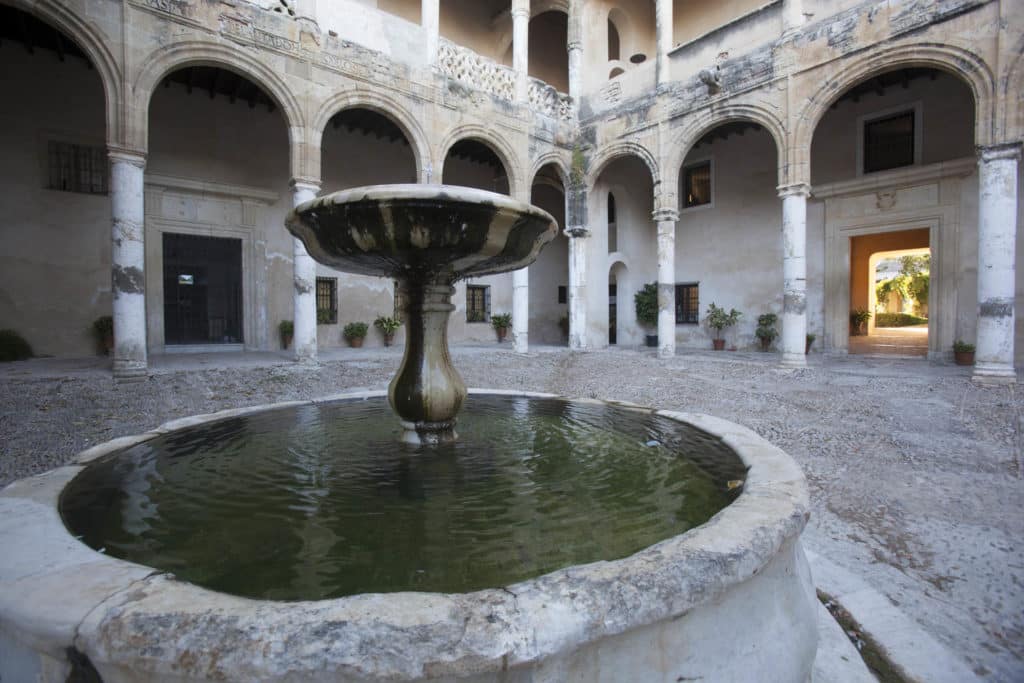
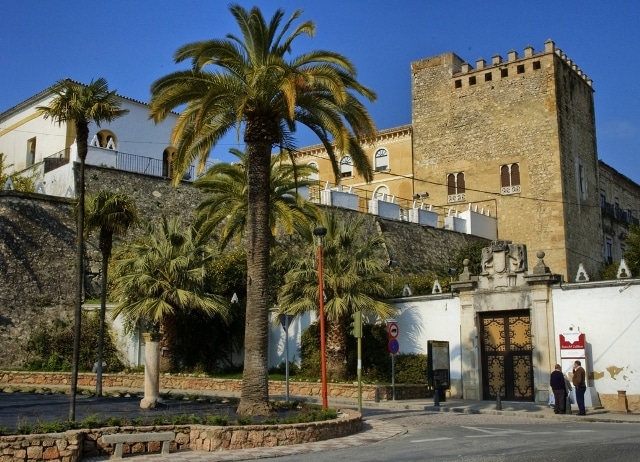
As the southernmost region of continental Europe, Andalusia is a land of deserts, high mountains, diverse landscapes, forests, tropical settings, beaches and cliffs, where whitewashed villages, historic enclaves and modern cities coexist alongside castles, Baroque mansions and palaces of Andalusian heritage.
The eight Andalusian provinces have served as filming locations for numerous worlds now embedded in the cinematic imagination: from the planet Naboo in Star Wars to the kingdoms of Dorne, Meereen and the Dothraki Sea in Game of Thrones. Andalusia is also closely associated with iconic film characters such as James Bond, Lawrence of Arabia, Indiana Jones and Lady Diana.
A territory in which to create your own universe, with talented professionals and highly qualified companies, a wide variety of locations, a 30% tax incentive, free production assistance, filming grants, and professionals recognised and awarded both nationally and internationally.

Services and infrastructures
Andalusia has six airports, with Málaga and Seville offering direct connections to the main international hubs. The region is supported by an extensive high-capacity road network connecting its provincial capitals in less than two hours, complemented by a High-Speed rail system linking Andalusia with Madrid in just over two and a half hours.
Andalusia also offers a broad range of accommodation options for production crews, from luxury hotels and modern apartments to traditional estates, cortijos and rural houses. This versatility is equally reflected in its gastronomy and services, providing everything necessary to meet the logistical needs of a production team.


population
8 733 535 hab.
Area
87,599 km2
provinces
Timezone
CET (UTC+1)
Summer (DST) / CEST (UTC+2)
Incentives
Andalusia is one of the most competitive destinations in Europe, not only because of its locations, but also due to its strong framework of tax incentives.
Spain offers a system of direct tax rebates which, combined with the strength and expertise of our local industry, ensures maximum return for film, television and performing arts projects.
Film Cities Network
The film offices and film commissions within the Andalusian Network of Film Cities, coordinated by Andalucía Film Commission, provide free assistance and information regarding permits, locations, professionals and the local audiovisual industry, logistical services, and more.
To ensure the best possible support for audiovisual productions, Andalucía Film Commission established the Andalusian Network of Film Cities through agreements with public and private institutions across Andalusia, including local councils, provincial authorities and municipal associations.
Granada Film Office
Conil Film Office
Filming Information
Here you can find basic information regarding permits and other matters of interest for your project in Andalusia. If you require further information or have any questions or enquiries, please contact us at [email protected], including the project title, production type and expected filming dates in your email.
Filming Permits for Public Roads and Public Spaces
In Andalusia, filming permits are managed at either local level (town councils and provincial authorities) or regional level, depending on the location involved. Andalucía Film Commission and the film offices within the Andalusian Network of Film Cities advise productions in identifying the relevant authorities, facilitate communication with public bodies and coordinate the permit application process.
We recommend working with experienced local production service companies or location managers, as they are the professionals most familiar with procedures, fees, locations and production timelines.
In Spain, the use of weapons in film productions is strictly regulated and requires prior authorisation in accordance with the Weapons Regulation (Royal Decree 137/1993). Any firearm, replica or simulated weapon must be properly licensed, and its use is managed under the supervision of the Guardia Civil, the competent authority in this matter. Handling must be carried out by authorised personnel, such as professional armourers or specialised companies, in compliance with strict safety protocols throughout the production.
For aerial filming using drones, both the operating company and the pilot must be authorised in accordance with the applicable European regulations and overseen by the Spanish Aviation Safety Agency (AESA). The operating company is responsible for obtaining the necessary permits, verifying that the flight area is not restricted and, where operations take place within controlled airspace, carrying out the mandatory coordination with ENAIRE or other airspace management authorities.
The company must also hold civil liability insurance and undertake prior flight planning that considers operational risks and compliance with the safety requirements established by the relevant authorities.
In Spain, the employment of minors under the age of 16 is generally prohibited under the Workers’ Statute (Article 6), although exceptions are permitted for public performances. In such cases, the production company must obtain prior authorisation from the relevant labour authority, provide consent from the parents or legal guardians, and guarantee that the activity will not be detrimental to the minor’s health or education, in addition to submitting an adapted work schedule.
The employment relationship is also regulated by Royal Decree 1435/1985, which allows such participation provided that it does not pose any risk to the minor’s development.
The use of animals in film productions is regulated by Law 7/2023 on the protection of animal rights and welfare, which requires productions to guarantee animal wellbeing by preventing suffering or stress and ensuring professional supervision and appropriate conditions at all times.
There are specialised companies that provide animals for audiovisual productions in compliance with all legal requirements and subject to administrative and veterinary inspections.
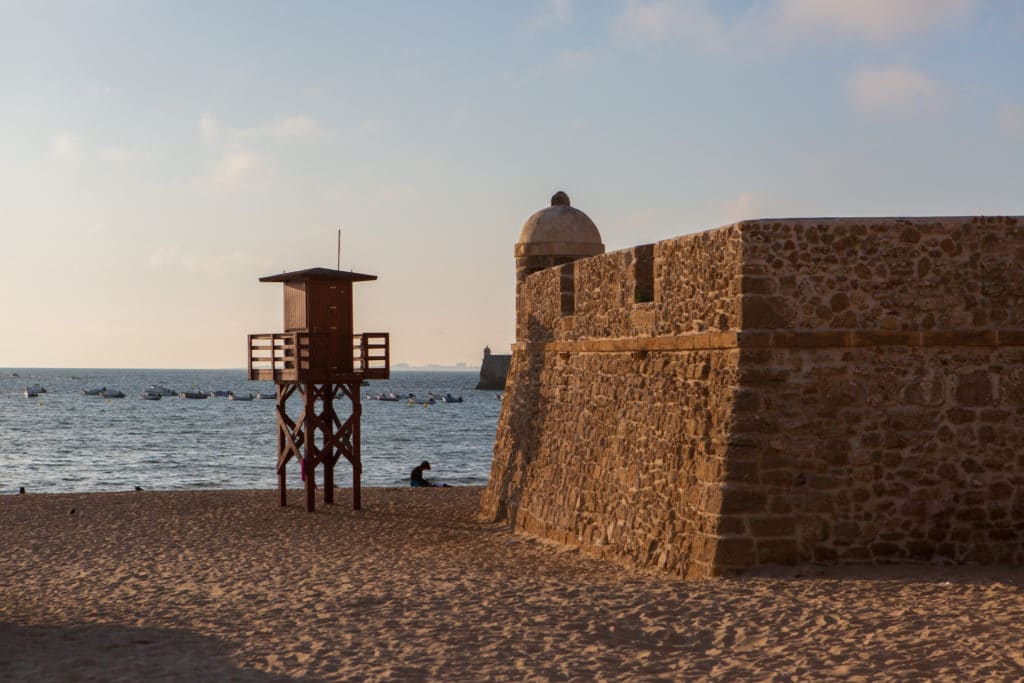
Filming on the Andalusian coast and in natural areas requires authorisation from the relevant authority depending on the location involved, particularly in protected areas. In coastal zones, it should be noted that, in addition to the Andalusian regional government, the Coastal Authority (under the Spanish central government) may also be involved when the activity affects the Maritime-Terrestrial Public Domain.
Andalucía Film Commission advises productions on identifying the competent authority and facilitates coordination with environmental and regulatory bodies. Due to the complexity of permits in these environments, it is recommended that applications be planned well in advance.
In Andalusia, filming on roads requires prior authorisation in accordance with Andalusian Roads Law 2/2015, as it constitutes a special use of the public highway. The permit must be requested from the authority responsible for the road in question (the Andalusian regional government, provincial authorities or the Spanish State). Where filming affects traffic circulation, a binding report from the Public Works Agency and coordination with the General Directorate of Traffic are also required.
Productions must submit a detailed filming plan including safety and signage measures, and the activity remains subject to specific conditions intended to guarantee road safety.
In Andalusia, filming may take place in publicly owned properties such as museums, archaeological sites and other locations managed by the Andalusian regional government. Andalucía Film Commission provides information on the procedures required to request the use of these spaces and facilitates coordination with the relevant authorities and managing bodies.
Andalucía Film Commission features a carefully curated selection of locations within the Andalusian Network of Unique Private Locations. As these are privately owned spaces, conditions of use, availability and fees are agreed directly between the production company and the property owner.
Filming in railway stations requires prior authorisation from Adif, the public entity under the Ministry of Transport and Sustainable Mobility. Adif offers a wide catalogue of locations, including stations of different types as well as other railway infrastructure.
Filming inside trains requires authorisation from the relevant rail operator (Renfe, Ouigo, Iryo, etc.) and confirmation of the availability of rolling stock.
The major commercial ports in Andalusia are state-owned and managed by their respective Port Authorities under the coordination of Puertos del Estado. In addition, Andalusia also has an extensive network of regional ports — including fishing, leisure and mixed-use ports — managed by the Andalusian Public Ports Agency (APPA). In both cases, filming requires prior authorisation from the managing authority and compliance with the specific safety measures established for the port facilities.
Civil airports, meanwhile, are managed by Aena, which handles filming permits through each individual airport and establishes the applicable conditions and fees according to the characteristics of the production.
All productions must hold civil liability insurance covering any potential damage to third parties arising from the activity of the production team. This insurance must remain valid from the beginning of filming through to the completion of post-production and is mandatory in most cases.
In specific situations, such as more complex productions or filming in unique locations, the responsible authority or property owner may require additional coverage or the provision of guarantees.
European Union member states form a common customs territory, meaning that no customs procedures are required for the transport of equipment between them, although all applicable transport and safety regulations must still be observed.
For productions coming from countries outside the European Union, an ATA Carnet is required. This is an international customs document that allows the temporary import and export of equipment without the payment of customs duties or taxes, generally for a maximum period of one year.
The ATA Carnet facilitates the movement of professional equipment and other materials necessary for production. It is issued through the Chambers of Commerce in the production company’s country of origin. To obtain it, applicants must provide a detailed equipment list, documentation proving the value of the items (such as invoices), and, in some cases, a deposit or financial guarantee.
In the absence of an ATA Carnet, full customs procedures may be required, including the payment of taxes or the provision of guarantees.
Professionals from the European Union, the European Economic Area and Switzerland do not require a visa or work permit to participate in productions in Spain.
For professionals from non-EU countries, Spain offers a simplified system specifically designed for the audiovisual sector. For stays of up to 180 days, artists, technicians and audiovisual professionals may obtain a visa that also serves as a work permit, allowing them to carry out their activity without the need for additional authorisations.
For long-term productions lasting more than six months, Spain provides a specific residence and work permit for the audiovisual sector, allowing professionals and their families to reside in the country for the duration of the production.
The labour framework in Spain is primarily based on the Workers’ Statute, which establishes the basic common rights and obligations of employees and employers. Within the audiovisual sector, these regulations are further developed through State Collective Agreements, which specifically govern working conditions, salary scales, filming schedules and intellectual property rights adapted to the realities of audiovisual production.
State Collective Agreement for the Audiovisual Production Industry (Technical Crew)
(Resolution of 29 August 2025)
State Collective Agreement Regulating Labour Relations between Audiovisual Producers and Actors
(Resolution of 2 March 2026)
State Collective Agreement Regulating Labour Relations between Audiovisual Producers and Supporting Artists / Extras
(Resolution of 9 June 2023)
Audiovisual Aids
Here you can find links to the different public institutions and organizations that offer financial support for audiovisual projects. These funding opportunities may cover various stages of the production process, including development, pre-production, production, post-production and promotion.
The information provided will help producers and companies identify the available programmes and institutions that support the creation, financing and international circulation of audiovisual works. These resources are designed to encourage production activity, strengthen the audiovisual industry and facilitate access to funding opportunities within the sector.
Canal Sur Produce
Europa Creative MEDIA Andalucía
Andalusian Agency of Cultural Institutions
Cinematography and Audiovisual Arts Institute
Open Calls and Funding Opportunities
Associations
The main producers’ associations in Andalusia have been established with the aim of representing and defending the professional rights of their members, both individually and collectively, as well as those of the Andalusian audiovisual industry as a whole.
Focused on the specific needs of the audiovisual sector, these associations promote the interests of their members through their presence within business organisations and institutional bodies. They also represent the sector through their participation in national and international markets.
ANCINE
Producers Association of Andalusia
Other Useful Information
Sustainable Filming
Andalusia is committed to a responsible audiovisual industry. At Andalucía Film Commission, we promote Green Shooting practices by advising productions on the adoption of protocols that reduce carbon emissions, optimise waste management and encourage the use of local suppliers committed to environmental sustainability.
Harassment Prevention
At Andalucía Film Commission, we reaffirm our commitment to working environments free from violence and discrimination. We make available to all productions and professionals the AAMMA Guide to Best Practices for the Prevention of Harassment and Sexual Violence in the Audiovisual Industry and Film Events. This guide is an essential tool for the prevention of and response to cases of harassment and gender-based violence within the audiovisual sector.